The Evolving Landscape of Indigenous Water Rights
November Theme — Water Security — Blog 1
By the desk · November 2026
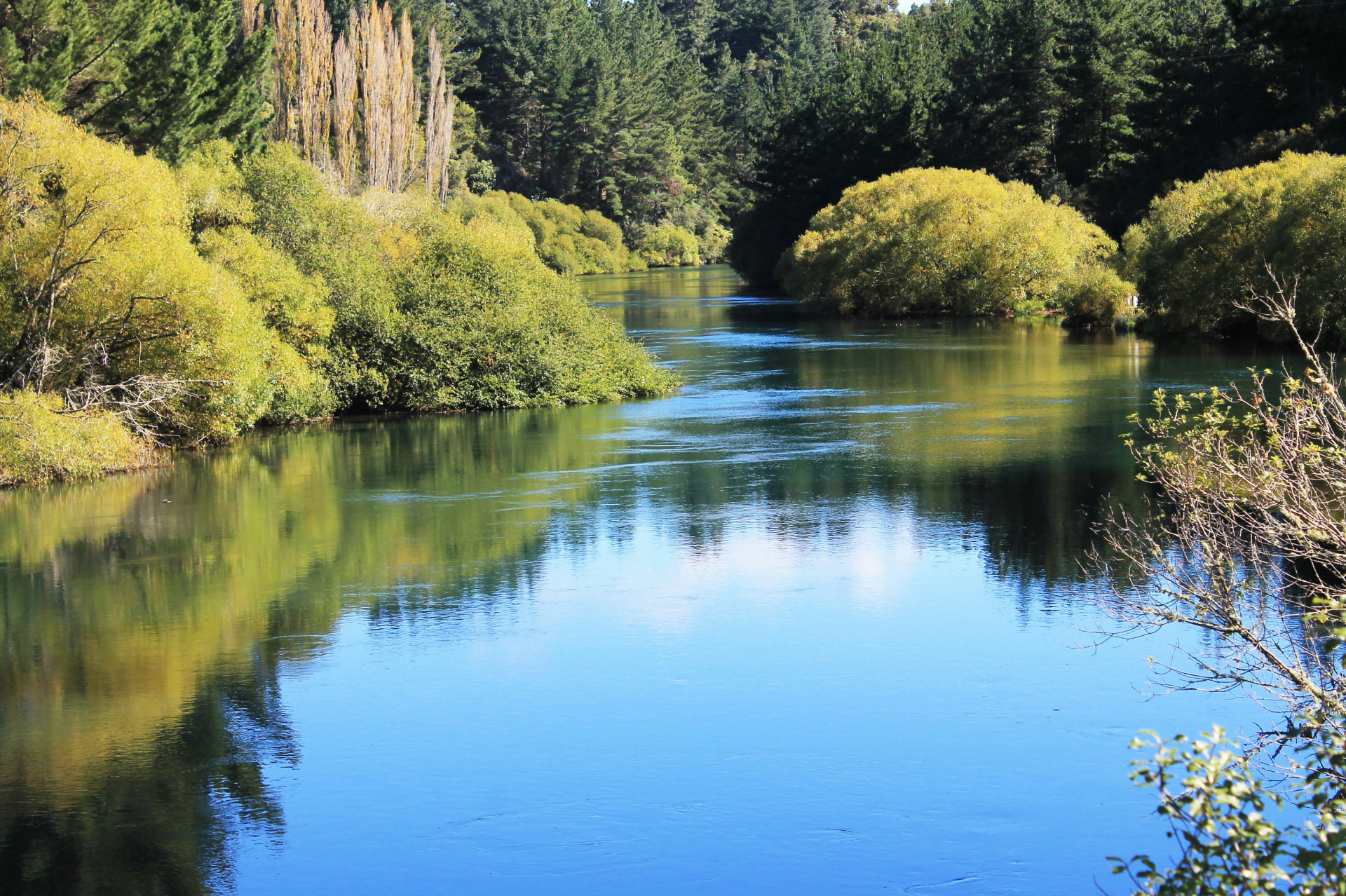
Beside a river
Imagine standing beside a river, listening to water rushing past you. The liveliness of the river. The froth from the bubbles. The waves upon endless waves. Full of life, fish and birds, all the critters buried in the silt. The plants growing in and out of the river.
The river has been around for centuries, and it sustains a vast array of biodiversity, supporting a rich and diverse ecosystem. Almost every civilization has risen around it. Water grows our food, sustains ecosystems, provides drinking water, and allows cities to exist where they otherwise would not: water is life giving.
But what if the governments who create the laws and the corporates that buy up water rights have incentives that directly conflict with the public interest?
Water colonialism
This is the concept behind water colonialization. Colonialism is often associated with land, with territory claiming, border drawing and resource extraction that most immediately come to mind. However, colonial systems have also claimed, reorganized and now are controlling water, taking it away from Indigenous peoples and local communities and directing the economic benefits elsewhere. Researchers argue that colonial systems have transformed Indigenous relationships with water for the better by setting governance systems, but this can be described by aqua nullius, the false assumption that Indigenous peoples had no pre-existing ownership of water. This idea comes from terra nullius, which is the same concept but for land.
In southeastern Australia, researchers have found that Aboriginal peoples are continually being marginalized from decisions regarding water management, and have received little economic benefit from them. Colonial governments and settlers used local water knowledge and water sources to support agriculture and economic development, while disrupting existing relationships between communities and water.
The Murray-Darling Basin
The Aboriginal peoples of southeastern Australia have nurtured relationships with rivers of what is now the Murray-Darling Basin for thousands of years. The water was connected to culture, food and community. Then, the colonial settlement reorganized the system to be allocated for agriculture and industry, developing systems of irrigation, and turning the rivers into economic infrastructure as a whole. Today, the Murray-Darling Basin is one of the most heavily managed river systems in the country, and it spans the traditional lands of more than 50 First Nations.
Water colonialization is heavily overlooked as opposed to land colonialization: First Nations people hold rights to ~40% of Australia's land by native title, but less than 0.2% of water entitlements in the Murray-Darling Basin. Australia introduced the Native Title Act in 1993 to legally recognize and protect the rights of Aboriginal and Torres Strait Islander peoples to their land. However, water rights are extremely limited, and while they allow usage of water for personal, social or cultural reasons, they withhold the rights for Indigenous communities to control or manage the water itself.
The Waipā River
Now, let's cross the lovely Tasman Sea to New Zealand, and examine the rights of the Waipā River. Here, colonial governments have drained the wetlands to modernize, and make room for agriculture and productive farmland. To some, this may look like progress, but to others, namely the native Māori communities, who depend on these wetlands for food, culture and have cultivated a spiritual relationship with the river, its destruction is a tragedy that they had no say in. These wetlands supported a plethora of wildlife. For instance, the tuna of the Waipā had deep cultural significance, as they were believed to be connected to the Māori people through “whakapapa,” or genealogy. Such tradition and beliefs are priceless to the people, but for the colonial system, it matters not, as the loss of a tuna fishery could be replaced with another type of compensation.
Fighting back
Some regions, however, are fighting back with radical legal shifts. In New Zealand, the historic Te Awa Tupua Act (2017) recognized the Whanganui River as a living legal person, fusing Western legal mechanisms with Māori spiritual laws (Te Awa Tupua), reflecting the Māori belief:
“Ko au te awa, ko te awa ko au” — I am the river, and the river is me.
With this, a representative appointed from the Whanganui Iwi tribe acts as the river's human voice, allowing it its own legal personhood and rights. In Australia, Indigenous peoples began to fight for water equity past token cultural use permits. These are important first steps in the struggle for water justice, and the battle to stop the trading of ancient relationships with water bodies for short term profit.
Sources
- 01Taylor & Francis — International Journal of Water Resources Development
- 02PPE Sydney — Water and settler colonialism: beyond methodological Atlanticism
- 03Blue History Network — Water rights, settler colonialism and environmental justice
- 04Springer — Hydrogeology Journal (2025)
- 05Wikipedia — Blue water thesis
- 06ScienceDirect — Environmental Science & Policy (2026)
- 07Undisciplined Environments — Countering water colonialism